—
Introduction: The Synergy of SEO and Content Marketing
In today’s digital landscape, simply creating great content or applying basic SEO tactics isn’t enough. The internet is flooded with millions of blog posts published every day. To cut through the noise, you need more than just good writing or technical tweaks; you need a unified approach.
True online success comes from the powerful synergy of SEO content marketing strategies – an integrated framework that crafts valuable content specifically designed to attract, engage, and convert audiences through search engines. While SEO focuses on the technicalities of ranking, content marketing focuses on valuable storytelling. When combined, they create a powerhouse that drives sustainable organic growth.
This guide will walk you through the essential components of a robust SEO content marketing framework, ensuring your efforts drive measurable results rather than just digital noise.
—
I. Defining Your SEO Content Strategy Foundation
Before you write a single word or research a single keyword, you must lay a solid foundation. A strategy without a goal is merely a wish.
A. Setting clear goals and objectives for content
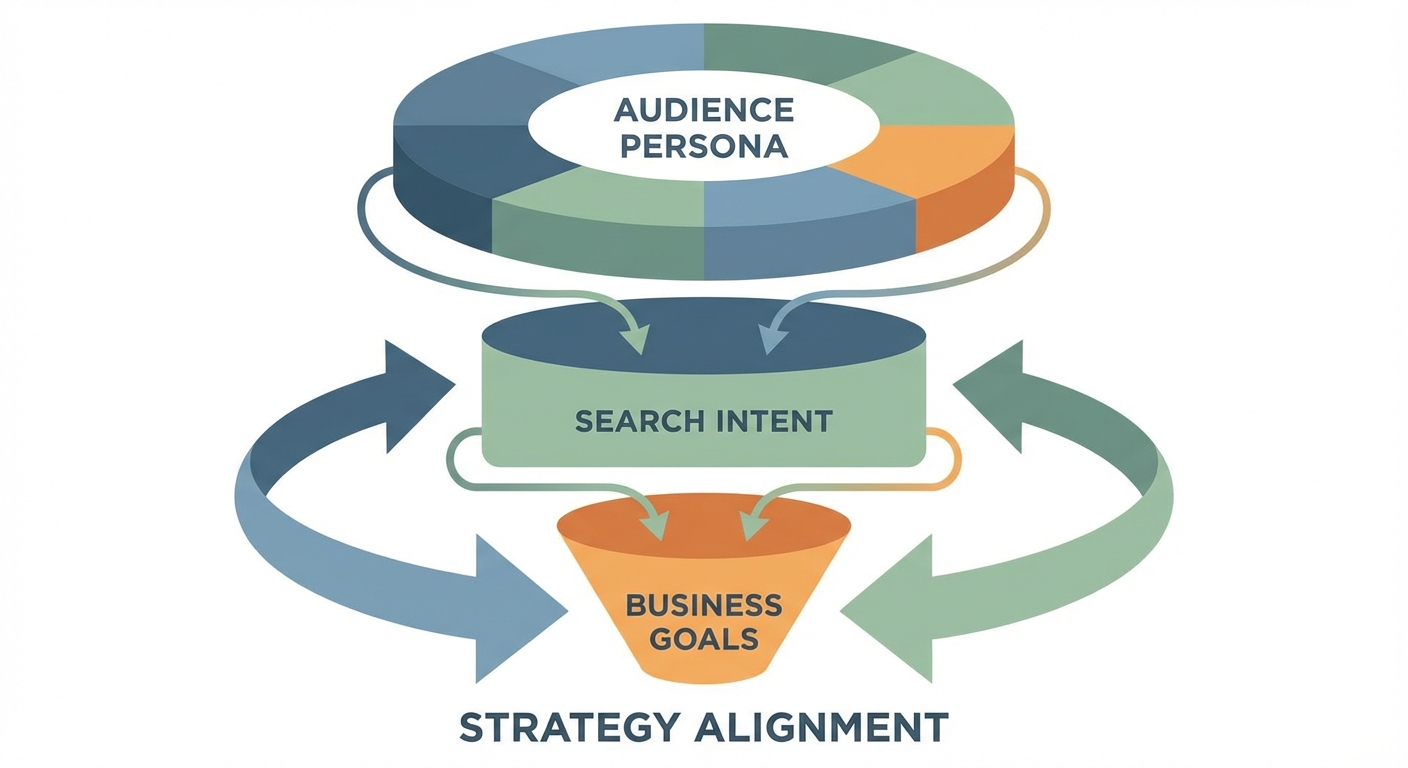
To succeed, you must align your content goals directly with overarching business objectives. Are you looking for increased organic leads, higher brand awareness in search, or improved online sales through content?
- Establish Measurable KPIs: content is an investment. Track its return by monitoring Key Performance Indicators (KPIs) like organic traffic growth, content-driven conversion rates, and specific keyword ranking improvements.
- Define Purpose: Every piece of content needs a job. Define the specific purpose and desired outcome for each piece within your broader SEO content marketing funnel.
B. Understanding your target audience and search intent
Ranking means nothing if you are attracting the wrong people.
- Develop Personas: Create detailed audience personas that outline demographics, pain points, interests, and typical search behaviors.
- Analyze Search Intent: This is the “why” behind the search. Is the user looking for information (Informational), trying to find a specific website (Navigational), researching a purchase (Commercial), or ready to buy (Transactional)? Tailor your content to answer these specific needs.
- Journey Mapping: Map content topics to specific stages of the customer journey (Awareness, Consideration, Decision), ensuring your content addresses questions at every touchpoint.
C. Identifying your niche and industry for content focus
- Competitor Landscape: Conduct a thorough analysis of your industry to pinpoint unique angles, underserved topics, and areas where your brand can establish authority.
- Unique Value Proposition (UVP): What makes you different? Determine your UVP that differentiates your content from competitors in the Search Engine Results Pages (SERPs).
- Niche Expertise: Google rewards E-E-A-T (Experience, Expertise, Authoritativeness, and Trustworthiness). Focus on building deep expertise within a specific niche to attract a highly relevant and engaged audience.
—
II. Comprehensive Keyword Research and Topic Planning
Keyword research is the compass that guides your content ship. It ensures you are writing about things people actually care about.
A. Conducting smart and effective keyword research
- Tool Utilization: Utilize advanced keyword research tools (like Ahrefs, SEMrush, or Moz) to uncover high-volume, low-competition long-tail keywords directly relevant to your niche.
- Semantic Search: Move beyond exact match keywords. Explore semantic keywords, related terms, and Latent Semantic Indexing (LSI) keywords to create comprehensive content that covers topics in depth.
- Difficulty vs. Volume: Analyze keyword difficulty and search volume. Sometimes, a lower volume keyword with high conversion intent is more valuable than a high-traffic term with no intent to buy.
B. Prioritizing high-value topics and keywords for content creation
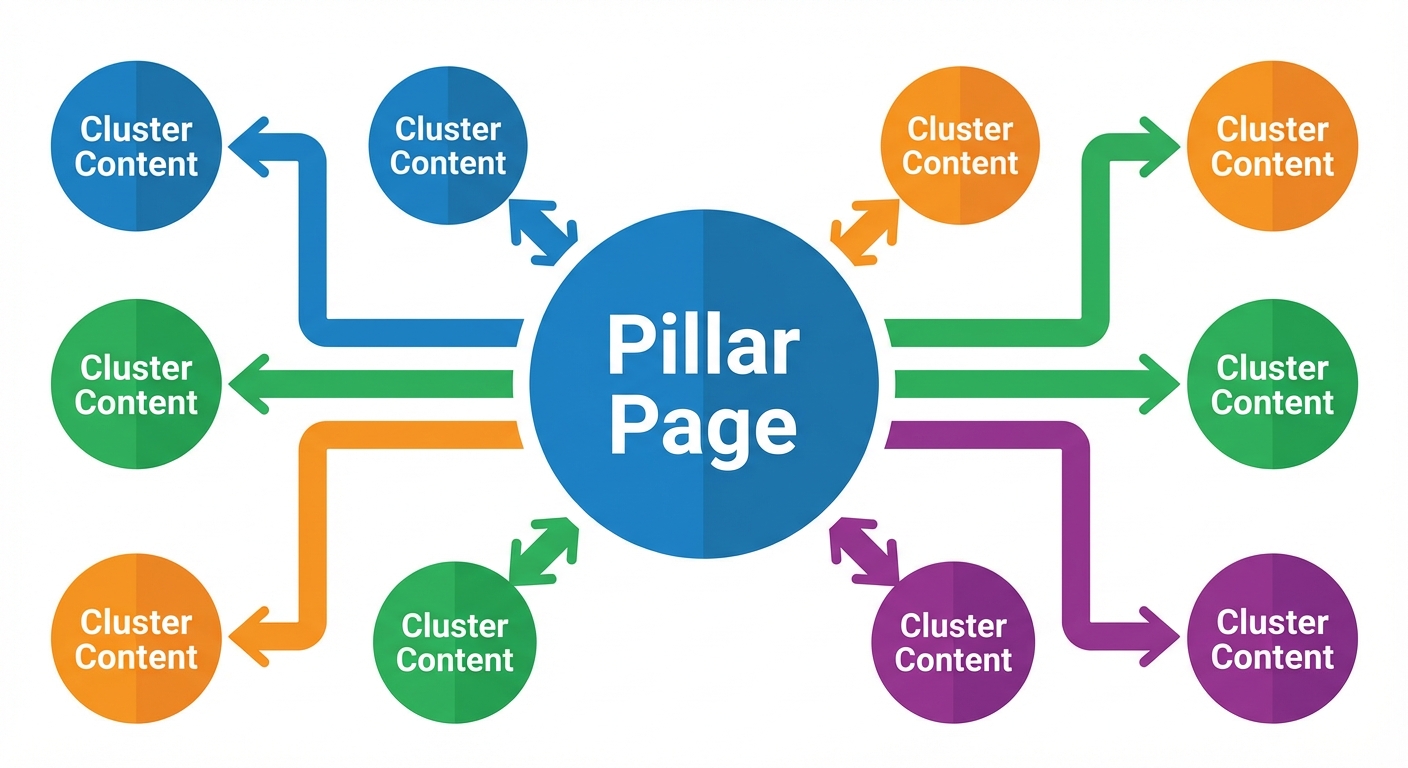
- Topic Clusters: This is a game-changer. Group related keywords into topic clusters and pillar pages. A pillar page covers a broad topic in depth, while cluster pages cover sub-topics, all linking back to the pillar. This establishes comprehensive topical authority.
- Content Gaps: Identify what your competitors rank for that you don’t. These gaps represent missed opportunities for traffic.
- Strategic Calendar: Develop a content calendar that schedules the creation of high-priority content based on your research.
C. Analyzing competitor content strategies and gaps
- Examine the Winners: Look at the top-ranking content for your target keywords. note their structure, word count, and media usage.
- Find the Weakness: Identify opportunities to create superior content—commonly known as the “Skyscraper Technique.” Can you make it more comprehensive, more up-to-date, or better designed?
—
III. Crafting High-Quality, Engaging Content
Once the research is done, execution is key. Google’s algorithms are increasingly sophisticated at detecting quality.
A. Developing a content mapping and planning framework
- The Content Map: Before writing, create a detailed map aligning each piece with specific audience personas and search intent.
- Outlining: Outline content structure, key takeaways, calls-to-action (CTAs), and internal linking opportunities before writing to ensure SEO content strategy alignment.
- Evergreen Thinking: Plan for content updates. “Evergreen” content remains relevant for a long time and provides a compounding return on investment.
B. Creating valuable, well-written, and easy-to-follow content
- Originality: Produce original, in-depth content. Don’t just regurgitate what is already on page one. Add unique data, personal anecdotes, or expert quotes.
- Readability: Online readers skim. Ensure excellent readability through clear headings, short paragraphs, bullet points, and a conversational tone.
- Natural Optimization: Integrate target keywords naturally throughout the content. Keyword stuffing is a relic of the past; prioritize the user experience above all.
C. Utilizing diverse content formats
- Mix it Up: Different people consume content differently. Diversify your portfolio to include blog posts, videos, infographics, podcasts, and case studies.
- Repurposing: Don’t let a good idea die after one post. Repurpose long-form content into a video script, a slide deck, or a series of social media posts.
—
IV. Implementing On-Page and Technical SEO Best Practices
Even the best content will fail if search engine bots cannot crawl, index, or understand it.
A. Optimizing content for on-page SEO elements
- Title Tags & Meta Descriptions: Craft compelling, keyword-rich title tags. Your meta description acts as ad copy in the SERPs—make it enticing to improve Click-Through Rate (CTR).
- Heading Structure: Use clear H1, H2, and H3 hierarchies. This helps screen readers and search bots understand the structure of your argument.
- Image Optimization: Search engines can’t “see” images. Use descriptive alt text and appropriate file names (e.g., `seo-strategy-diagram.jpg` instead of `IMG_1234.jpg`).
B. Addressing technical SEO considerations
- Core Web Vitals: Ensure your website has a robust technical foundation. Fast loading speeds, mobile responsiveness, and a secure HTTPS connection are critical ranking factors.
- Internal Linking: Implement a smart internal linking strategy. This helps search engines crawl your site and distributes “link equity” from high-authority pages to newer ones.
- Schema Markup: Utilize structured data markup (Schema.org) to help Google understand your content context, potentially leading to rich snippets in search results.
C. Understanding the role of off-page SEO
- Link Building: Backlinks are votes of confidence. Develop a plan to acquire high-quality backlinks from authoritative websites.
- Linkable Assets: Focus on creating content so valuable—like original research or free tools—that other websites naturally want to link to it.
—
V. Content Distribution and Promotion Strategies
“Build it and they will come” is a myth. You must actively promote your content.
A. Leveraging multiple channels
- Social Media: Share your content across relevant platforms (LinkedIn, Twitter, Pinterest), tailoring the message and creatives to each channel’s vibe.
- Email Marketing: Your email list is gold. Notify subscribers about new deep-dive content to drive immediate traffic and engagement signals.
B. Promoting content to reach a wider audience
- Paid Amplification: Consider using paid social ads or SEM to give high-converting content an initial boost.
- Community Engagement: Engage with online communities and forums (like Reddit or Quora). Answer questions genuinely and link to your content only when it provides a specific solution.
—
VI. Measuring Performance and Iterating for Improvement
SEO content marketing is a cycle, not a straight line. You must measure, learn, and improve.
A. Analyzing content performance metrics
- The Metrics that Matter: Track organic traffic, keyword rankings, bounce rate, and time on page. Most importantly, track conversions—are readers taking the action you want?
- Engagement Signals: Monitor comments and social shares to judge how well the content resonates emotionally with the audience.

B. Establishing a continuous measurement process
- Content Audits: Conduct regular audits. Identify underperforming content and decide whether to update it, consolidate it, or delete it.
- A/B Testing: Test different headlines or CTAs to see what drives better engagement.
C. Developing an efficient content workflow
- Documentation: Establish a clear workflow from ideation to publication.
- Tools: Utilize project management tools (like Trello, Asana, or Monday) to manage deadlines and foster team collaboration.
—
VII. Integrating SEO and Content Marketing Effectively
A. Harmonizing SEO tactics with creation
- Lifecycle Integration: SEO shouldn’t be an afterthought applied just before hitting “publish.” It must be embedded in the ideation phase.
- Team Training: Train writers on SEO basics, and train SEOs on the principles of good storytelling.
B. Designing for user and machine
- User First: Prioritize creating content that genuinely serves the user. Google’s algorithms are designed to mimic human behavior—if humans like it, Google likely will too.
- Balance: Balance strategic keyword integration with natural language. The goal is to satisfy the algorithm without alienating the human reader.
—
Conclusion: Mastering the Art of SEO Content Marketing
Implementing robust SEO content marketing strategies is no longer optional – it’s fundamental for digital success. By meticulously planning, creating, optimizing, distributing, and analyzing your content with search engines and users in mind, you can unlock unparalleled organic growth.
Remember, SEO brings the visitor to the door; content invites them in and convinces them to stay. Start integrating these strategies today to transform your online presence.
—
Frequently Asked Questions about SEO Content Marketing Strategies
Q1: What are the key SEO content marketing strategies?
The key strategies involve defining clear goals, conducting comprehensive keyword research, crafting high-quality and diverse content, implementing on-page and technical SEO, distributing and promoting content effectively, and continuously measuring performance for iteration and improvement.
Q2: How do I create a winning SEO content strategy?
To create a winning strategy, start by understanding your audience and their search intent. Then, perform in-depth keyword research, plan content around topic clusters, create valuable and optimized content, promote it across relevant channels, and consistently analyze data to refine your approach.
Q3: What role does keyword research play in content strategy?
Keyword research is foundational. It helps you understand what your target audience is searching for, identify high-value topics, uncover content gaps, and optimize your content to rank for relevant queries, driving targeted organic traffic.
Q4: How do I measure the success of my SEO content?
Measure success by tracking metrics such as organic traffic, keyword rankings, bounce rate, time on page, conversion rates, and engagement signals (shares, comments). Utilize analytics tools like Google Analytics and Google Search Console.
Q5: How can I improve my content’s visibility in search engines?
Improve visibility by optimizing content for on-page SEO elements (titles, meta descriptions, headings), ensuring technical SEO best practices (site speed, mobile-friendliness), building high-quality backlinks, and strategically distributing and promoting your content across various channels.